Key planning information for thyroplasty in Spain.
1–2 hrsProcedure time
1 dayHospital stay
6 hospitalsList thyroplasty
Thyroplasty in Spain is priced per case at 6 hospitals. The operation takes 1 to 2 hours, with 1 day in hospital. Each hospital quotes its own price for your case.
Hospitals and clinics offering Thyroplasty in Spain
Thyroplasty is listed by 6 hospitals in Spain. The order reshuffles every hour so each gets equal exposure.
Xanit Hospital Internacional is a modern private hospital located in the suburbs of Malaga, Spain. The hospital is modern (opened in 2005), and the staff include over 200 specialists in all medical specialties.
HM Hospitales is a hospital group with six private hospitals in Madrid: three general hospitals, a cardiovascular hospital, an oncological center and a women's health hospital.
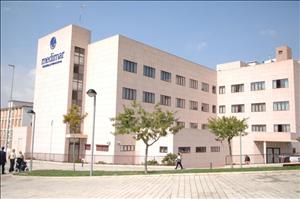
Medimar International Hospital is a tetriatry care hospital with 200 physicians, 50 resident and 150 affiliated, providing healthcare services to the residents of Alicante, as well as to over 25,000 foreign patients a year.
A modern (opened in 2007), general, private hospital located in Madrid, part of the NISA group of hospitals. The international patients department can assist patients with accomodation and trasportation, and can communicate in English as well as in Spanish.
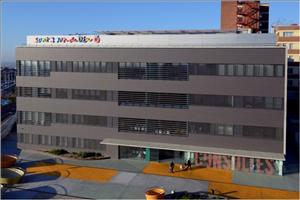
Sant Joan de Déu-Barcelona Children’s Hospital is one of the leading medical centers in Europe for childhood and adolescence medicine and offers a comprehensive and multidisciplinary approach to health care from birth through 21 years of age.
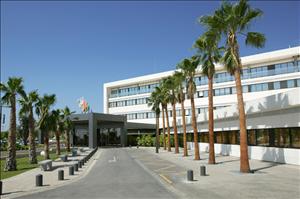
An ISO certified modern private hospital, which was opened in 2006, and is part of the Quirón Hospital Group. This tertiary care hospital 400 has certified physicians from all medical specialties capable of treating the most complicated medical cases.
What is Thyroplasty?
Thyroplasty involves a collection of surgical procedures to treat voice disorders by changing the cartilages of the larynx that surrounds the vocal cords. Thyroplasty helps in restoring the voice after paralysis or altering the pitch of the voice. It is also known as laryngeal framework surgery.
What are the types of Thyroplasty?
Type I Thyroplasty
During this procedure, the vocal cords are placed near each other to reduce the results of the abductor spasms.
Type II Thyroplasty
During this procedure, the vocal cords are spread apart by a shim, which separates the vocal cords and does not bring them in contact during the spasms.
How is Thyroplasty performed?
Local anesthesia along with intravenous sedation is applied on the patient.
An incision is made on the neck crease.
The soft tissues and muscles are put apart to reach the framework of cartilage of the larynx.
Topical anesthesia is applied in the nose and fiberoptic laryngoscopy is performed to view the vocal cords.
The patient may be asked to speak during the procedure to test the voice improvement while adjustments are being made on the vocal cords.
Steroids are usually used to reduce swelling, as swelling can make it difficult to make accurate estimates about the size of the implant and placements. Swelling may also damage the airway.
The incision is then closed and covered with a dressing.
How to prepare for Thyroplasty?
The patient’s vocal cords are examined.
The patient goes through voice tests.
Laryngeal stroboscopy may be performed to study the vocal fold closure and vocal fold pliability.
The patient’s airway is examined according to the patient’s particular aerodynamic requirements.
After a thorough examination of the patient’s requirements, the type of thyroplasty needs to be selected.
About Thyroplasty
Key facts to plan your treatment: how long it takes, your hospital stay, anaesthesia, risks and recovery.
Duration of surgery/treatment
1 to 2 hours
Days admitted
1 day
Anesthesia
Local anesthesia with intravenous sedation
Recovery
- The patient is taken to the recovery room after thyroplasty. - The dressing should be kept on after the surgery and can be removed the following morning if instructed by the doctor. - Antibiotics are prescribed to avoid infection. - The patient will be able to use the voice normally after the surgery site heals.
Risks
- Swelling - Discomfort
After care
- The patient should limit the usage of voice for a week after thyroplasty. - Voice should not be strained during the recovery period. - Coughing should also be prevented. - The surgery site should be kept dry until it heals. It should be cleaned gently with the prescribed ointments. - Strenuous physical activities should be avoided. - Alcohol, narcotic substances, sleep medication and any medication without a prescription should be avoided.
The patient should contact the doctor if the following symptoms occur: - Breathing difficulty - Heavy coughing - Fever that is higher than 101 F - Palpitation - Severe swallowing difficulty - Chest discomfort - Bleeding, drainage or redness from the surgery site

 Private Hospital
 JCIPrice on request

 ISO