Xanit Hospital Internacional is a modern private hospital located in the suburbs of Malaga, Spain. The hospital is modern (opened in 2005), and the staff include over 200 specialists in all medical specialties.
HM Hospitales is a hospital group with six private hospitals in Madrid: three general hospitals, a cardiovascular hospital, an oncological center and a women's health hospital.
A modern (opened in 2007), general, private hospital located in Madrid, part of the NISA group of hospitals. The international patients department can assist patients with accomodation and trasportation, and can communicate in English as well as in Spanish.
A large private hospital, part of the IDCSalud group of hospitals, with over 300 physicians. This is a general tertiary hospital that provides medical services in virtually all medical specialties.
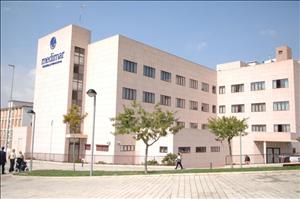
Medimar International Hospital is a tetriatry care hospital with 200 physicians, 50 resident and 150 affiliated, providing healthcare services to the residents of Alicante, as well as to over 25,000 foreign patients a year.
Sant Joan de Déu-Barcelona Children’s Hospital is one of the leading medical centers in Europe for childhood and adolescence medicine and offers a comprehensive and multidisciplinary approach to health care from birth through 21 years of age.
An ISO certified modern private hospital, which was opened in 2006, and is part of the Quirón Hospital Group. This tertiary care hospital 400 has certified physicians from all medical specialties capable of treating the most complicated medical cases.
Making changes in the lifestyle can help in treating snoring. However, making these changes can be challenging. Some of these changes are to:
Quit smoking
Lose weight if the person is overweight
Stop taking alcohol before going to bed
Limit the use of certain medication like sedatives before sleeping
Sleep on the side rather than the back
Use decongestants to clear a stuffy nose that may be making the snoring worse
Natural Remedies
Using various natural remedies can be beneficial to reduce snoring.
Herbal pills are available
Acupressure and acupuncture can also be beneficial.
Exercises to tone the muscle of the upper airway passage may also help in alleviating snoring.
Natural anti-snoring sprays may be available over-the-counter.
Dental Devices
Dental devices known as mandibular advancement splints, which hold the jaw and tongue forward can be used to treat snoring. These devices should be made by the dentist for an accurate fit. In 70% - 90% snoring cases, dental devices have proved beneficial. This is also beneficial in treating mild to moderate sleep apnea.
Dental devices can cause excessive salvation and gum irritation. They can also worsen temporomandibular joint (TMJ) problems. Furthermore, dental devices are quite expensive.
Nasal Devices and Medications
Nasal devices and medications can be used by people who snore due to constricted nasal passages caused by colds or upper respiratory infection. Nasal sprays may help in reducing nasal mucosal swelling caused by allergies. Nasal saline irrigation sprays help in cleaning and keeping the nasal lining moist. Nasal breathing can be improved by using nasal steroid sprays which reduce swelling caused by minor allergies.
Nasal CPAP
Continuous Positive Airway Pressure (CPAP) is a device that is helpful in treating snoring among patients who suffer from sleep apnea. CPAP provides a continuous enhanced air pressure that avoids the narrowing of airway during breathing. The patient needs to wear a mask that is joined by a tube to a pump that maintains a higher than normal level of inspired air. The air pressure can be adjusted according to individual requirements based on sleep study.
CPAP machines cause much noise and are bulky. They might be difficult to be worn by patients throughout the night.
Uvulopalatopharyngoplasty
Uvulopalatopharyngoplasty may be used to correct snoring. This surgery expands the airway by taking out tissues of the uvula and pharynx.
Uvulopalatopharyngoplasty has risks of side effects. Formation of scar tissue in the throat is a major risk. Damage to the airway may result in severe sleep apnea.
Radiofrequency ablation
Radiofrequency ablation (RFA) is another surgery for snoring. It uses heat and radiofrequency energy to scar the tissue of the soft palate and uvula. After healing, the surgical site becomes stiff. This reduces snoring; however, it does not entirely eliminate snoring.
Bipolar radiofrequency ablation
Bipolar radiofrequency ablation (used in coblation tonsillectomy) is also used as a surgical treatment for snoring.
The Pillar Procedure
The Pillar Procedure is a minimally invasive procedure. It uses pillars or strips that are inserted into the soft palate, which makes the palate more rigid and thus reduces snoring and sleep apnea.
Turbinate Coblation
Turbinate Coblation is a minimally invasive procedure that is used to treat snoring caused bynasal obstruction due to enlarged inferior turbinates.
About Snoring Treatment
Key facts to plan your treatment: how long it takes, your hospital stay, anaesthesia, risks and recovery.
Recovery
Information coming soon. Request a consultation for personalized recovery guidance. Get Quote →
After care
Information coming soon. Request a consultation for personalized recovery guidance. Get Quote →

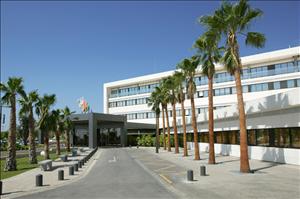 Private Hospital
 JCIPrice on request

 ISO