
Skip to hospitals

Cardiac Surgery care in Spain

Coronary Angioplasty in Spain

Hospitals and medical centers in Spain performing Coronary Angioplasty (PTCA).

✓ Listed hospitals✓ Free consultation✓ No obligation
A physician explaining a procedure to a patient using a medical demonstration model.

Trusted by

  • +22 millionusers
  • +238,000patients assisted
  • +2,310medical centers
  • +18years of experience in medical tourism

At a glance

Key planning information for coronary angioplasty in Spain.

1–2 hrsProcedure time
7 hospitalsList coronary angioplasty

Coronary Angioplasty in Spain is priced per case at 7 hospitals. The operation takes 1 to 2 hours. Each hospital quotes its own price for your case.

Hospitals and clinics offering Coronary Angioplasty in Spain

Coronary Angioplasty is listed by 7 hospitals in Spain. The order reshuffles every hour so each gets equal exposure.

Showing 1–7 of 7 hospitals
Vithas Xanit International Hospital — photoPrivate Hospital
Malaga, Spain
JCI Gold Seal of ApprovalJCIPrice on request

Xanit Hospital Internacional is a modern private hospital located in the suburbs of Malaga, Spain. The hospital is modern (opened in 2005), and the staff include over 200 specialists in all medical specialties.

DoctorsMSDr. Miguel SuchJJDr. Juan José Gómez Doblas
PricesCoronary Angioplasty upon request
Price
Contact for quote

HM Hospitales — photoHospital Group
Madrid, Spain
ISO 9001:2015 certified hospital sealISOPrice on request

HM Hospitales is a hospital group with six private hospitals in Madrid: three general hospitals, a cardiovascular hospital, an oncological center and a women's health hospital.

PricesCoronary Angioplasty upon request
Price
Contact for quote
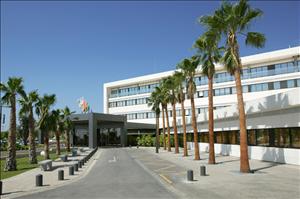
Nisa Pardo de Aravaca Hospital — photoPrivate Hospital
Madrid, Spain
ISO 9001:2015 certified hospital sealISOPrice on request

A modern (opened in 2007), general, private hospital located in Madrid, part of the NISA group of hospitals. The international patients department can assist patients with accomodation and trasportation, and can communicate in English as well as in Spanish.

PricesCoronary Angioplasty upon request
Price
Contact for quote
IDCSalud HGC — photoHospital
Barcelona, Spain
ISO 9001:2015 certified hospital sealISOPrice on request

A large private hospital, part of the IDCSalud group of hospitals, with over 300 physicians. This is a general tertiary hospital that provides medical services in virtually all medical specialties.

PricesCoronary Angioplasty upon request
Price
Contact for quote
Clinica La Luz — photoPrivate Hospital
Madrid, Spain
Price on request

The largest private hospital in Madrid, with over one hundred physicians providing tertiary medical services in over thirty medical specialties. The hospital is equipped to deal with the most complex of conditions, including oncology, neurosurgery and cardiac surgery.

PricesCoronary Angioplasty upon request
Price
Contact for quote
Corposalud Clinic — photoPrivate Clinic
Valencia, Spain
ISO 9001:2015 certified hospital sealISOPrice on request

A modern multispecialty healthcare clinic, located in Valencia, Spain that along with its ISO certified partner Hospitals − some of the most recognized private Hospitals in Spain − integrate clinical and hospital care.

DoctorsFHDr. Fernando Hornero SosJLDr. José Llagunes Herrero
PricesCoronary Angioplasty upon request
Price
Contact for quote
Hospital Quirón Madrid — photoPrivate Hospital
Madrid, Spain
ISO 9001:2015 certified hospital sealISOPrice on request

An ISO certified modern private hospital, which was opened in 2006, and is part of the Quirón Hospital Group. This tertiary care hospital 400 has certified physicians from all medical specialties capable of treating the most complicated medical cases.

DoctorsJJDr. Juan José RufilanchasAFDr. Alberto Forteza
PricesCoronary Angioplasty upon request
Price
Contact for quote

Description of Coronary Angioplasty:

What is Coronary Angioplasty?
Coronary angioplasty is a surgical procedure that is used to open coronary arteries that are blocked. The blood flow to the heart is improved after coronary angioplasty.
Coronary angioplasty helps in improving symptoms of coronary heart disease such as chest pain, discomfort, and short breath. It also reduces chances of heart attacks caused by blockage in the coronary artery. The blockage is usually caused by a blood clot that develops in the area where the plaque has formed. The formation of plaque is caused by fatty substances that narrow the arteries.

About Coronary Angioplasty

Key facts to plan your treatment: how long it takes, your hospital stay, anaesthesia, risks and recovery.

Duration of surgery/treatment
1 to 2 hours
Days admitted
Overnight or one day stay at the hospital
Anesthesia
Local anesthesia
Recovery
- The patient is kept in a special care unit after the surgery for a few hours or overnight.
- The patient should lie still for a few hours to allow the artery to be closed completely.
- The patient’s heart rate and blood pressure are monitored.
- The site where the catheters were inserted may feel sore for a week after the surgery.
- The patient can resume normal activities after a week.
- Medication may be provided to help patients relax and prevent artery spasms.
Risks
- Chest pain and discomfort for a few hours after the surgery.
- Bruising and pain at the incision site.
- Bleeding from the artery
- Narrowing of the arteries that are treated with a stent
- Allergic reaction to the contrast material, causing rash, swelling or breathing difficulty
- Blockage of the coronary artery during the procedure
- Displacement of a blood clot or blockage material by the catheter, which may block the artery and cause heart attack or stroke
- Injury to the artery
After care
- The patient needs to avoid heavy physical activity for many days after coronary angioplasty surgery.
- The patient should not lift heavy objects and involve in strenuous activities for a week after the surgery.
- Sports should be avoided for about two weeks after the surgery.
- If the patient has a stent placed during the surgery, an anticoagulant may be required for about one year.
- Dental procedures may also need to be avoided to prevent endocarditis.

The patient needs to make some lifestyle changes such as
- Dietary changes
- Stopping Smoking
- Physical exercises
- Weight reduction
- Stress control
- Cardiac rehabilitation

The patient should contact the doctor immediately if the following symptoms are detected:
- Fever
- Weakness
- Breath shortness
- Chest pain
- Change in color or temperature of the limbs that were used during surgery

Patient reviews

Reviews coming soon.

Common questions

Frequently asked questions

Have a question? Get a free consultation.

Ready to compare coronary angioplasty hospitals in Spain?

Choose a hospital and send your enquiry to its international patient team. Each replies with its own price and plan.

Free consultation • No obligation