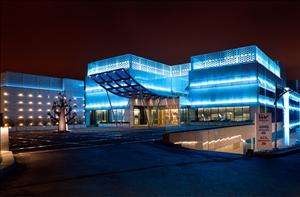
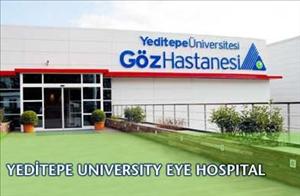
A JCI accredited, multi-specialty medical center which is a part of the Acibadem Healthcare Group. The hospital provides medical care in virtually all medical specialties. International patients are catered for through the Acibadem International Patients Center.
A modern, JCI accredited, full service hospital, established in 2009. Acibadem Maslak is part of the Acibadem Healthcare Group, so international patients are taken care of through the group's International Patient Center.
DoctorsMNProf. M. Necmettin Pamir, MDMMProf. M. Memet OzekView all 6
Medipol Mega Hospital Complex is a modern medical facility with four specialist hospitals and an extensive selection of high caliber medical devices available for use. The hospital provides treatments in a wide variety of medical fields in its 470 bed facility.
DoctorsDIProf. Dr. Ilhan ElmaciAPAssist. Prof. Gökalp SilavView all 8
The first in a brand new chain of ultra-modern hospitals, opened in January 2013, LIV hospital focuses on foreign patients, and tries to provide a complete and comprehensive service by a dedicated international team.
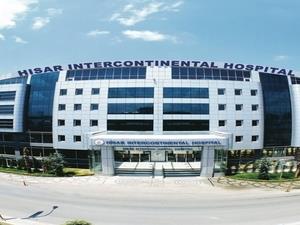
Hisar Intercontinental Hospital is a JCI accredited facility that provides the highest quality of care for all its patients. The hospital is one of Turkey’s largest private hospitals and utilizes the best and most up-to-date technologies in its 170 bed facility.
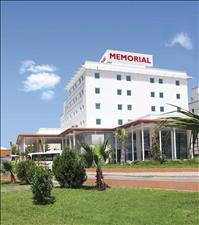
A modern JCI accredited hospital located in Antalya, with 80 physicians spread across most medical specialties. The international patients department assists foreign patients with transportation, insurance, Visa arrangements, translation and more.
Many non-surgical options are available for the treatment of spinal stenosis. A combination of medication and physical therapy exercises has proved to be beneficial for patients with mild symptoms. Non-surgical treatments need to be used for a long term to control the symptoms for patients who cannot undergo surgery.
Surgery may be required if the patient needs to be urgently treated for spinal cord compression. The decision to go through surgery should be taken after much consideration and discussion with the doctor. The doctor should explain all the surgical alternatives to the patient. The type of surgery that is needed is dependent on the cause and location of the spinal stenosis.
How is Spinal Stenosis Treated?
There are various options available for the treatment of spinal stenosis. They include:
Posture Change
Patients can try and change their postures, which may relieve some symptoms. For instance, bending the spine forward while walking and drawing the knees up to the chest while lying down may provide relief. These postures create more space for the nerves, and patients find it easier to walk long distance.
Medication
Inflammation may cause severe pressure on the nerves. This can be treated by anti-inflammatory medications that are non-steroidal. Aspirin or ibuprofen may provide relief. Medication can also be used to control pain and reduce muscle spasm. It is best to consult a doctor before taking the medicines, which may also be available over-the-counter. Before using medication, the patient is advised to be aware of any side effects.
Injections
Epidural injections consisting of steroidal medication is applied into the epidural space around precise nerve roots. This helps in reducing swelling and severe pain that spreads into the limbs. The course consists of three injections that need to be taken over a period of many weeks. This may help in reducing the symptoms permanently or temporarily for some weeks or months. However, steroidal injections have some side effects, which include:
Severe pain at the injection site
High fever
Anxiety
Increase in weight
Insomnia
High blood sugar and pressure
Decreased immunity to fight against infection
Cataracts
Stomach ulcers
Avascular necrosis
The doctor should be informed immediately if the following symptoms occur:
Loss of control over bladder and bowels
Instability of the legs
Painful headaches
Physical Therapy
Physical therapy that consists of inactive therapy and exercises help in increasing flexibility, and gaining strength and stamina. Inactive therapy uses application of heat and ice packs, massage, electrical stimulation, and ultrasound. This prepares the patient for physical exercises by reducing pain and relaxing muscles. Physical therapy exercises are usually stretching and other exercises that help in regaining the stability of the spine.
Other Exercises
The patient may consider walking and swimming to exercise all the back muscles. Swimming provides a secure environment and the water supports the patient's weight relieving pressure on the back.
Surgery
Surgery is recommended if all other treatments fail to control the pain and pressure on the nerves.
There are two major types of surgical methods that are used to treat spinal stenosis - Decompression and Spinal Fusion:
Decompression
The tissue that causes pressure on a nerve is removed during decompression. This creates more space for the spinal cord or nerve roots. The following surgical methods are used to perform decompression:
Foraminotomy
This is done if a portion of the disc or osteophyte causes pressure on a nerve that passes through the foramen. The foramen in made larger so that the nerve is not compressed.
Laminotomy
This is done if the lamina causes pressure on a nerve. The opening on the lamina is made larger so that the nerve is not compressed.
Laminectomy
When a laminotomy is inadequate to decompress a nerve, laminectomy needs to be performed. During laminectomy, the entire lamina or a part of it is removed.
Indirect Decompression
Indirect decompression involves relieving pressure on the nerve by spreading the bones apart. To achieve this, devices like inter-body cages and artificial discs are used.
Spinal Fusion
Spinal fusion is also known as stabilization. It permanently fixes two vertebrae together. As a result there is no movement between these bones. Other surgical procedures such as laminectomy etc. are usually done prior to a spinal fusion. A graft is used to join the bones permanently together. If the graft is taken from another body part, commonly from the pelvic bone, it is called an autograft. The graft may also be taken from a bone bank known as allograft. In rare cases, synthetic bone substitutes may also be used. Screws, plates or cages are used to join the vertebrae together so that the bones do not move when they are healing.
About Spinal Stenosis Treatment
Key facts to plan your treatment: how long it takes, your hospital stay, anaesthesia, risks and recovery.
Recovery
Information coming soon. Request a consultation for personalized recovery guidance. Get Quote →
After care
Information coming soon. Request a consultation for personalized recovery guidance. Get Quote →
 Private Hospital
 JCI
 ISO