The first in a brand new chain of ultra-modern hospitals, opened in January 2013, LIV hospital focuses on foreign patients, and tries to provide a complete and comprehensive service by a dedicated international team.
Medipol Mega Hospital Complex is a modern medical facility with four specialist hospitals and an extensive selection of high caliber medical devices available for use. The hospital provides treatments in a wide variety of medical fields in its 470 bed facility.
DoctorsAPAssoc. Prof. Dr. Ebru ÖztürkAPAssist. Prof. Dr. Mustafa AcetView all 4
A JCI accredited, multi-specialty medical center which is a part of the Acibadem Healthcare Group. The hospital provides medical care in virtually all medical specialties. International patients are catered for through the Acibadem International Patients Center.
A modern, JCI accredited, full service hospital, established in 2009. Acibadem Maslak is part of the Acibadem Healthcare Group, so international patients are taken care of through the group's International Patient Center.
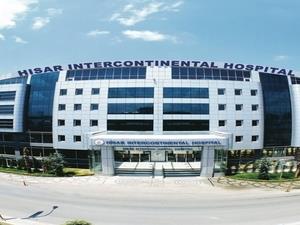
Hisar Intercontinental Hospital is a JCI accredited facility that provides the highest quality of care for all its patients. The hospital is one of Turkey’s largest private hospitals and utilizes the best and most up-to-date technologies in its 170 bed facility.
One of the largest private healthcare providers in Turkey. Has obtained JCI accreditation and is ISO certified. This hospital treats approximately 12,000 international patients annually.
German Hospital Camlica has achieved a 7 star rating. It has 24 highly skilled and experienced physicians, who treat around 500 international patients each year.
A modern JCI accredited hospital located in Antalya, with 80 physicians spread across most medical specialties. The international patients department assists foreign patients with transportation, insurance, Visa arrangements, translation and more.
What is IVF?
IVF (In Vitro Fertilization) is treatment to assist couples with fertility problems to have a baby.
IVF is a procedure where eggs are fertilized outside the body in the laboratory and then the fertilized eggs are inserted into the uterus to develop.
IVF can be an infertility treatment option when the man has a low sperm count, the woman has problems with the uterus or fallopian tubes, or the reason for infertility is unexplained.
How is IVF carried out?
The woman is given a drug to suppress the natural monthly cycle as an injection or nasal spray, to be taken for around two weeks.
A fertility hormone is administered for around 12 days to stimulate the body to produce more eggs.
Eggs are collected by inserting a needle through the vagina into each ovary.
The eggs are mixed with the man’s sperm in a laboratory.
The fertilized eggs – embryos – are incubated and then transferred into the womb.
Prior to the transfer, the woman prepares the uterus for the embryo by taking progesterone to thicken the lining.
For women aged under 40, one or two embryos are placed in the womb.
For a woman aged over 40, three embryos are implanted.
How popular is IVF compared to other fertility treatment options?
IVF is not usually the first step in fertility treatment. IVF can be a costly and complex procedure, and only around 5 percent of couples with infertility problems carry it out.
What affects the chances of success of an IVF procedure?
The reason for infertility
The age of the woman (the younger the woman, the higher the chances of success)
The experience and ability of the doctors carrying out the procedure
Woman's Age
Chances of a live birth
After 1 IVF cycle
After 2 IVF cycles
After 3 IVF cycles
under 35
33%
52%
67%
35–37
28%
47%
58%
38–39
21%
35%
47%
40 and up
9%
16%
24%
A study by the National Health Service in the UK, the percentage of IVF cycles in 2006 that resulted in a live birth was:
Woman's Age
Chances of a live birth as a result of one IVF cycle
under 35
29%
35–37
26%
38–39
17%
40–42
11%
43–44
5%
over 44
Less than 1%
About IVF
Key facts to plan your treatment: how long it takes, your hospital stay, anaesthesia, risks and recovery.
Duration of surgery/treatment
One full cycle of IVF takes around 4 to 6 weeks. Egg collection typically takes between 30 minutes and an hour.
Days admitted
None. Following egg collection, you may be asked to rest for a few hours at the clinic but the IVF procedure doesn’t require an overnight stay.
Anesthesia
Egg collection in IVF takes place under a sedation anesthesia, or a general anesthesia if it is required.
Recovery
The clinic may advise a short period of rest after egg collection and egg implantation but others will allow you to carry on with normal activities straight away.
Risks
IVF is associated with a few risks.
Risks include:
- Reaction to fertility drugs including hot flashes, mood change and headaches. - Cramps and a small amount of bleeding may occur after egg collection. - Ovarian hyper-stimulation syndrome. - Ectopic pregnancy. - Multiple births. - Older women are at increased risk of miscarriage and birth defects. - IVF may be less successful with age.
After care
- Calm cramping after egg collection with appropriate pain killing medication. - Monitor any side effects arising from fertility drugs and consult your doctor if you are experiencing problems.

 Private Hospital
 JCIPrice on request


 ISO