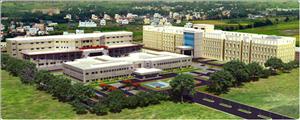
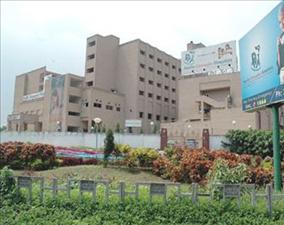
Fortis Flt. Lt. Rajan Dhall Hospital is a Centre of Excellence for Cardiac Sciences, Renal Sciences, Diabetology, Pulmonology and Thoracic Sciences and a specialty center for Joint Replacement, Genito-urinary, Cosmetic Surgery and Dental care.
EHIRC is a JCI accredited hospital which is a Centre of Excellence providing the latest technology in: Cardiac Surgery, Interventional Cardiology, Minimally Invasive Surgery (Robotics), Non-Invasive Cardiology, Paediatric Surgery & Paediatric Cardiology
DoctorsASDr. Anil SaxenaAHDr. Abid HussainView all 116
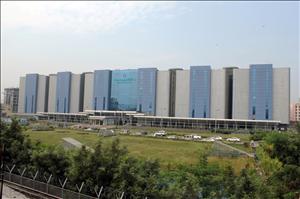
The flagship hospital of the Global Hospitals Group, which operates eight hospitals throughout India. The modern 500 bed hospital was opened in 2009, and offers advanced medical and surgical treatment, including organ transplantation, cardiac surgey and neurosurgy.
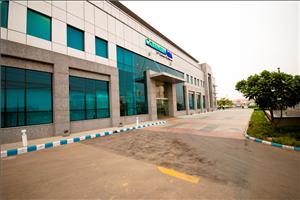
A modern 100 bed hospital opened in 2008, located in Gurgaon, outside of New Delhi.The hospital is a part of the Columbia Asia Group, which has an international patients office able to assist foreign patients with all aspects of medical travel.
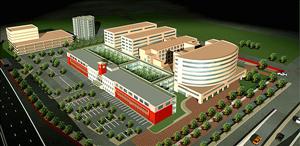
The Apollo Gleneagles Hospital is a medical institution in Kolkata, India. It is an affiliate of Apollo Hospitals, the largest private hospital group in Asia. It provides medical services to both local and international patients.
DoctorsAKDr. A K BardhanAKDr. Aftab KhanView all 9
What is EECP?
Enhanced external counterpulsation (EECP) is a procedure for the treatment of angina, heart failure or cardiomyopathy. It reduces symptoms of ischemia, and enhances the functional ability and quality of life of the patient.
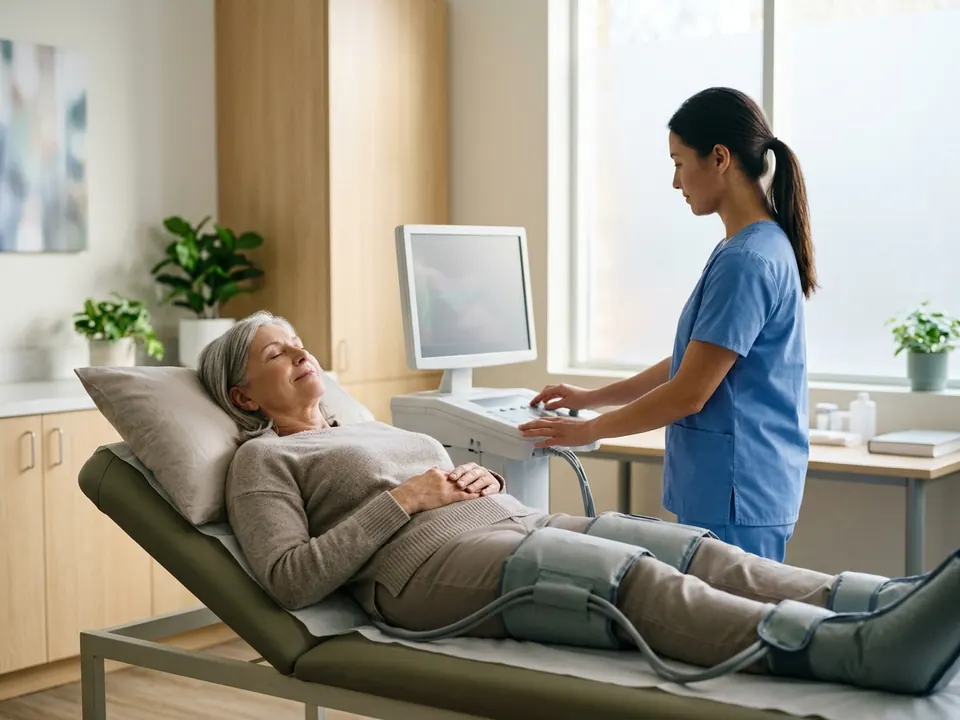
EECP is a noninvasive procedure that uses inflatable cuffs to compress the blood vessels of the lower limbs. These cuffs are placed around the calves, thighs and buttocks of the patient. In this procedure, the blood flow in the coronary arteries is increased.
EECP is enhanced by computer technology, blood pressure monitors and elctrocardiography. These facilitate accurate timing of the inflation and deflation of the pressure cuffs with the heart beat and blood pressure of the patient.
How is EECP Performed?
The patient’s systole and diastole of the heart is measured by placing three ECG stickers on the patient’s chest.
The patient is required to lie down on a bed.
The patient’s calves, thighs and buttocks are wrapped around with blood pressure cuffs.
When the heart relaxes at the precise time of diastole, the cuffs start inflating from the calves, moving upwards to the buttocks. This leads to a counter pulsation of the blood.
When the heart contracts, the cuffs quickly deflate and relax. The sensation may feel like a firm massage.
What is the Treatment Regimen of EECP? EECP consists of 35 hours of treatment. The patient may take a one hour session per day. The patient may also take two hours of treatment in a day, with a gap in between the first and second hour. In some cases, patients may need additional treatments if they do not respond to the treatment by the 30th session.
After the treatment course is complete, the patient can still continue a maintenance dose of EECP for one to two days a week.
How to Prepare for EECP?
The patient is required to wear tight fitting clothing such as athletic tights to avoid chafing.
The patient is asked to stop smoking and using tobacco products.
The patient’s blood pressure, pulse, breathing rate and weight are determined and recorded.
The patient’s legs are checked for symptoms of possible vascular problems.
The patient is informed about the benefits and risks of EECP by the health care team.
The patient needs to sign a consent form before the procedure.
About EECP
Key facts to plan your treatment: how long it takes, your hospital stay, anaesthesia, risks and recovery.
Duration of surgery/treatment
One to two hours per session.
Days admitted
EECP is performed as an outpatient procedure.
Anesthesia
None.
Recovery
- EECP is known to benefit patients with results similar to angioplasty and bypass surgery. Significant improvements are noticed after EECP among 80% of the patients. - As EECP does not completely prevent recurrent coronary artery disease, the patient needs to make lifestyle changes and take the prescribed medications.
Risks
EECP is a safe treatment. A side effect that may result is chafing and leg pain due to the compression caused by the cuffs.
After care
- The patient should quit smoking as smoking damages blood vessels and causes high blood pressure. - The patient should maintain a healthy weight by following a restrained diet and exercising. - A cardiac rehabilitation exercise program that is supervised by professional is beneficial for the patient. - The patient’s diet should consist of fruits, vegetables, whole grains, and non-fat dairy products. - Some prescribed medications need to be taken on a life-long basis. - The patient should follow up with the doctor regularly.
 ISO
 JCI