New Delhi, India
Price on request
A "boutique" style 50 bed facility in the heart of New Delhi, which focuses on women’s health, maternity care and cosmetic surgery.
PricesICSI upon request
Price
Contact for quote
Fertility Treatment care in India
Hospitals, clinics and medical centers in India performing ICSI (Intracytoplasmic Sperm Injection).

Key planning information for icsi in India.
ICSI in India is priced per case at 12 hospitals. The operation takes 6 weeks. Each hospital quotes its own price for your case.
ICSI is listed by 12 hospitals in India. The order reshuffles every hour so each gets equal exposure.
A "boutique" style 50 bed facility in the heart of New Delhi, which focuses on women’s health, maternity care and cosmetic surgery.
 Surrogacy and Egg Donation Centre
Successful Parents India is a branch of a European based head office of Successful Parents Agency. The Agency operates in India and accepts clients for fertility treatments in New Delhi: surrogacy, egg donation (Indian and Caucasian egg donors), PGD (not sex selection), as well as many other service
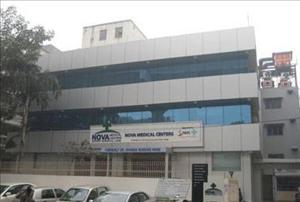
 Medical Center
Part of the Nova Medical Centers group, the center offers over 700 different procedures, with a specialty in general surgery, gynecology, plastic and cosmetic surgery, orthopedics, radiology, pediatrics, urology, and ophthalmology.
Fortis Bloom IVF Centre’s is run by two experienced and skilled IVF specialists, with over 20 years experience in the treatment of infertility. The Fortis Bloom IVF Centre is part of the largest chain of IVF centres in India.
 Medical Center
A modern surgery center, opened in 2010, specializing in elective surgeries. Medical procedures carriedout at the center include general surgery, urology, pediatrics, orthopedics, oncology, plastic and cosmetic surgery, ophthalmology, pain management.
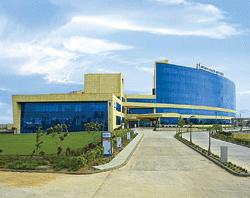 Hospital
The flagship hospital of the Artemis Health Sciences offers caters to local and international patients alike. It is the first 300-bed multi-specialty hospital in India to function with a paperless information management scheme.
 ISOPrice on request
New Life India is a facilitator of infertility treatment in India, providing a wide variety of services, including in-vitro fertilization, egg donation and surrogacy packages, PGD for selection of healthy embryos, and other infertility treatments.
 Private Hospital
The Apollo Hospital Chennai is part of the Apollo Hospitals group. The hospital is JCI accredited and considered as one of the best hospitals in India.
 Private Hospital
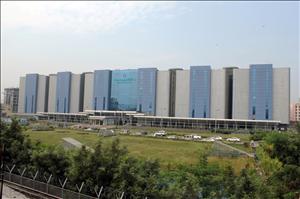
A modern 100 bed hospital opened in 2008, located in Gurgaon, outside of New Delhi.The hospital is a part of the Columbia Asia Group, which has an international patients office able to assist foreign patients with all aspects of medical travel.
 Private Hospital
Key facts to plan your treatment: how long it takes, your hospital stay, anaesthesia, risks and recovery.
Common questions
Have a question? Get a free consultation.
Choose a hospital and send your enquiry to its international patient team. Each replies with its own price and plan.
Free consultation • No obligation JCI