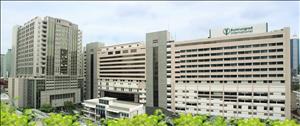
Yanhee International Hospital is a modern international hospital with 400 beds capacity and equipped with facilities to serve inpatients and outpatients for medical, cosmetic and aesthetic procedures.
This multi-specialty tertiary hospital offers various medical services as well as dental procedures to local and overseas patients. It serves over 100,000 international patients every year.
DoctorsPCDr. Pornchai ChayaboonJKDr. Jimmy KongcharoenView all 5
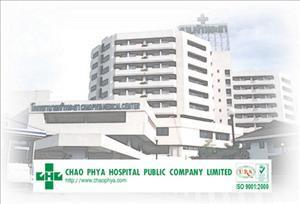
The Chaophya Hospital is a JCI accredited, tertiary private hospital in Bangkok, Thailand, which has been in operation since 1991. It has an international department which offers a comprehensive range of supporting services to foreign patients.
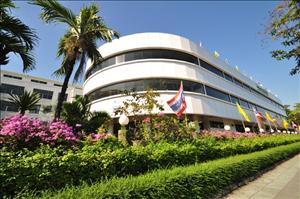
This general hospital in Bangkok offers a full range of services including Cosmetic Surgery. It has been accredited by the Hospital Accreditation Thailand and has been serving patients for more than 70 years.
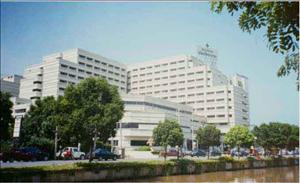
Being established in 1993, this tertiary private medical institution offers a wide range of medical care services. It has 350 in-patient bed capacity and is accredited by the Hospital Accreditation of Thailand.
DoctorsVCDr. Vorvat ChoomsaiBLDr. Bannakij LojanapiwatView all 3
What are the methods of removing Kidney Stones?
There are a number of ways in which kidney stones can be removed. In most cases, drinking plenty of water helps the stone to move and pass out of the urinary tract in urine. The doctor may ask the patient to keep the kidney stones that have passed out in the urine, which will be used to conduct tests.
Some of the methods in which kidney stones are removed are discussed below:
Lifestyle Changes
The patient should drink a lot of water throughout the day to pass as much urine as possible.
Recent findings show that calcium rich foods like dairy products help in preventing calcium stones. Calcium pills, however, may raise the risk of forming stones.
Food containing extra vitamin D and some antacids that contain calcium may need to be avoided.
Patients with acidic urine may need to lower their food intake of meat, fish, and poultry.
Medications
The following kinds of medications may be prescribed:
Medicines that control the levels of alkali or acid in the urine to prevent calcium and uric acid stones
Medicines to reduce hypercalciuria, which reduces the calcium amounts discharged by the kidney and retains the calcium in the bone
In rare cases, sodium cellulose phosphate may need to be taken to retain calcium in the intestines and stop any leakage into the urine.
Medicines like Thiola and Cuprimine to reduce cystine amounts in the urine
Acetohydroxamic acid (AHA) may be prescribed along with antibiotic medicines to prevent infection that may be caused by struvite stones that cannot be removed. Infection may lead to the growth of stones.
Surgical Treatments
Kidney stones are removed surgically if the following conditions occur:
The stone causes severe pain and cannot be passed out in the urine.
The size of the stone is very large and it lies immovable in a particular location.
The flow of urine is blocked by the stone.
The stones are causing kidney damage and bleeding.
The stones are causing urinary tract infection for a prolonged period.
The size of the stone keeps growing larger.
The surgical treatments include the following:
Extracorporeal Shock Wave Lithotripsy (ESWL)
This is the most common method of kidney stones removal. During ESWL, shock waves are passed into the body from outside the body through the skin and tissues until the shock waves reach the kidney stones. The stones are broken into tiny parts and are then passed out of the urinary tract in the urine.
Percutaneous Nephrolithotomy
Percutaneous nephrolithotomy is recommended if the kidney stone is large and cannot be effectively remove by ESWL. A tiny incision is made on the patient’s back and a nephroscope is inserted into the kidney to remove the stone. Before a large stone is removed, the stone may need to be broken into smaller parts with the help of ultrasonic or electrohydraulic energy probe.
Ureteroscopic Stone Removal
Ureteroscopy may be required to remove stone in the ureters that cannot be removed by ESWL. A ureteroscope is inserted into the ureters through the urethra and bladder. When the stone is located, it is removed or shattered using shock wave.
About Kidney Stones Removal
Key facts to plan your treatment: how long it takes, your hospital stay, anaesthesia, risks and recovery.
Recovery
Information coming soon. Request a consultation for personalized recovery guidance. Get Quote →
After care
Information coming soon. Request a consultation for personalized recovery guidance. Get Quote →
 Private Hospital
 JCI

 Private Hospital
 Private Hospital
 Private Hospital
 Private Hospital
 Thai HAPrice on request
 Private Hospital
 ISO