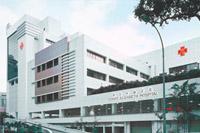
A full service private hospital offering a comprehensive range of specialist services by a team of 200 physicians. 35-40% of the patients are foreigners, and there is a dedicated department for handling medical tourists.
DoctorsSLDr. Sheila Loh Kia EeSSDr. Seng Shay WayView all 5
One of the largest private medical centers in Asia, with the highest number of private specialists including cardiac surgeons, cardiologists and neurologists, neurosurgeons and general surgeons.
What is IUI?
IUI (abbreviation for IntraUterine Insemination), is a treatment for infertility and a form of artificial insemination. IUI is carried out by injecting sperm that has been specially treated directly into the uterus.
IUI is used to treat mild male infertility, women with cervical mucus problems and couples where the infertility is unexplained, as well as enabling the use of donor sperm.
How popular is IUI relative to other types of fertility treatment?
IUI is the most common kind of artificial insemination because it is a relatively simple procedure with minimal side effects. IUI is often the first fertility procedure couples try.
Doctors may advise a couple to have three to six months of IUI treatments before moving on to another fertility procedure if the treatment was not successful.
How is IUI carried out?
Sperm are ‘washed’ to remove chemicals and semen and to separate the most viable sperm – also called sperm preparation or sperm spinning.
Washed sperm are inserted into the uterus using a thin tube called a catheter the day after the ovaries release an egg for fertilization.
Sometimes fertility drugs are used to increase the chance of pregnancy.
What affects the chances of success of an IUI procedure?
Age of the woman (fertility diminishes with age and the younger the woman, the higher the chances of success)
Poor egg or sperm quality
Severe endometriosis
Damage to the fallopian tubes (usually resulting from infection)
About IUI
Key facts to plan your treatment: how long it takes, your hospital stay, anaesthesia, risks and recovery.
Duration of surgery/treatment
The IUI procedure is quick and straightforward – the insemination takes around 15 to 20 minutes, with another 15 minutes of rest following the procedure.
Days admitted
None.
Anesthesia
The IUI procedure doesn’t require any anesthesia or pain relieving medications.
Recovery
The woman will lie down for around 15 to 30 minutes after the IUI procedure to rest and enable to sperm to work. Afterwards she will be able to resume all normal activities.
Risks
IUI is a relatively painless procedure and carries few risks.
Risks include:
- Some discomfort due to cramps, bleeding and spotting. - Infection (according to the Mayo Clinic, less than one percent of women experience infection). - Catheter may be uncomfortable if it is difficult to insert. - Hyperstimulation due to the use of fertility drugs.
After care
- There may be some light bleeding immediately after the IUI procedure. - Patients can resume intercourse soon after the IUI procedure.

 Private Hospital
 JCI
 ISO