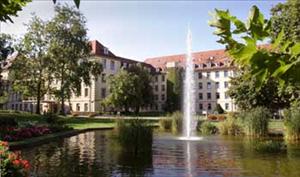
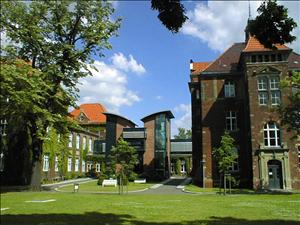
Heidelberg University Hospital is one of Europe`s leading medical centers. World-renowned experts provide comprehensive care of the highest international standards in all medical specialties.
One of Germany's largest hospitals, made up of more than 50 clinics and specialist institutes spanning all medical specialties. Kinikum Stuttgart is regarded as one of the best hospitals in Germany, and is a referral center for oncology, ENT, pediatrics and more.
The University Medical Center Freiburg is one of the largest medical facilities in Europe and part of the Albert Ludwigs University Freiburg, one of five outstanding centers of academic excellency in Germany.
The DRK Kliniken Berlin is a chain of five JCI accredited tertiary care hospitals in Berlin. The international department is experienced in handling foreign patients and can assist with all necessary arrangements.
What is ICSI?
ICSI (IntraCytoplasmic Sperm Injection) is a fertility procedure used within the IVF (in vitro fertilization) process. ICSI fertility treatment is carried out by injecting a single sperm into an egg, which is then transferred into the womb.
ICSI is used as a fertility procedure when the man has a low sperm count, doesn’t produce enough good-quality sperm that are able to reach and penetrate the egg, or has problems concerning anti-sperm antibodies.
ICSI helps bypass the need for donor sperm. Some couples move from IVF treatment to ICSI if they can’t retrieve enough viable eggs to be fertilized in vitro.
How is ICSI carried out?
The woman first takes fertility drugs to stimulate the ovaries for fertilization while the man produces a sample of sperm. If he has no sperm in his semen, doctors extract it under anesthesia using a needle. The doctor removes the woman’s eggs with a needle and a single sperm is injected into an individual egg. The fertilized eggs become embryos and are transplanted into the uterus. Any remaining embryos may be frozen for possible use in the future.
How often is ICSI used?
According to the Centers for Disease Control and Prevention, nearly half of all IVF procedures in the United States involve ICSI. ICSI is one of the most successful procedures for treating male infertility.
What are the chances of success with ICSI?
The chances of a successful ICSI varies between clinics and are dependent on the woman's age, male and female reproductive health, doctor's experience and methods used, among other factors.
According to the Human Fertilization & Embryology Authority from the UK, the percentage of ICSI cycles in 2006 that resulted in a live birth was as follows:
Woman's Age
Chances of a live birth as a result of ICSI
under 35
33.2 %
35–37
27.1 %
38–39
20 %
40–42
11.5 %
43–44
4.5 %
over 44
8.5 %
About ICSI
Key facts to plan your treatment: how long it takes, your hospital stay, anaesthesia, risks and recovery.
Duration of surgery/treatment
One full cycle of ICSI takes between 4 and 6 weeks to carry out. The egg and sperm retrieval process takes a full day and couples return two days after for the embryo implant. Around two weeks later the woman takes a pregnancy test.
Days admitted
None.
Anesthesia
Egg collection may be performed under general anesthesia or local anesthesia.
Recovery
ICSI procedures are carried out on an outpatient basis and require a short recovery time of around a day, when the patient is advised to avoid strenuous activities.
Risks
Because ICSI is a relatively new procedure, there are fewer consensuses regarding risk than with more established procedures.
Risks include:
- Possible higher rates of miscarriage. - Long-term health of children may be affected, although research has been mostly reassuring. - Possibility of the male child born through ICSI inheriting his father’s infertility. - Increased risk of multiple pregnancy. - Embryos that are frozen are less likely to result in a live birth than newly-fertilized embryos.
After care
- Take pain killers to minimize any discomfort following the ICSI procedures. - Doctors advise patients to relax as much as possible for the day following egg extraction and implantation.

 University Hospital

 ISO
 JCI