This multi-specialty tertiary medical centre is situated in Makati City, Philippines. It has been in operation for more than 35 years and has served patients from all over the Philippines as well as medical tourists from other countries.
The Medical City is a private, tertiary care hospital, that is accredited by the JCI. It serves over 40,000 inpatients a year, making it one of the largest health care facilities in the Philippines.
DoctorsADDr. Annabelle D.AherreraCPDr. Concepcion P.AlfilerView all 75
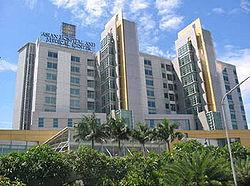
Asian Hospital is a large modern medical center which provides a wide range of medical services to local and international patients alike. It is a medical tourism partner of the Department of Health and Department of Tourism of the Philippines.
DoctorsMADr. Martha AquinoLADr. Leon AquinoView all 81
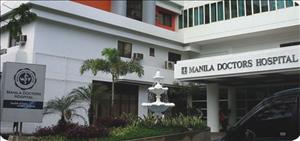
This medical centre in Manila, Philippines offers a wide array of services under the different fields and sub-specialties of the medical field. This privately owned tertiary hospital has been in operation for more than 50 years.
DoctorsLCDr. Lorna ChavezEGDr. Elena GomezView all 48
A JCI accredited multi-specialty medical institute which has been serving patients from the Philippines and all over the world for over a century. It has over 600 inpatient beds and 1,700 affiliated medical consultants.
What is Hysteroscopy?
Hysteroscopy is a medical procedure in which the uterine cavity is examined through the cervix using an endoscopic tube known as a hysteroscope. Abnormalities and problems related to the uterus may be diagnosed and treated during a hysteroscopy. Surgical sterilization may also be done using hysteroscopy which helps the doctor to locate an area for biopsy. Hysteroscopy may be performed as an alternative or in addition to dilation and curettage (D&C).
How is Hysteroscopy Performed?
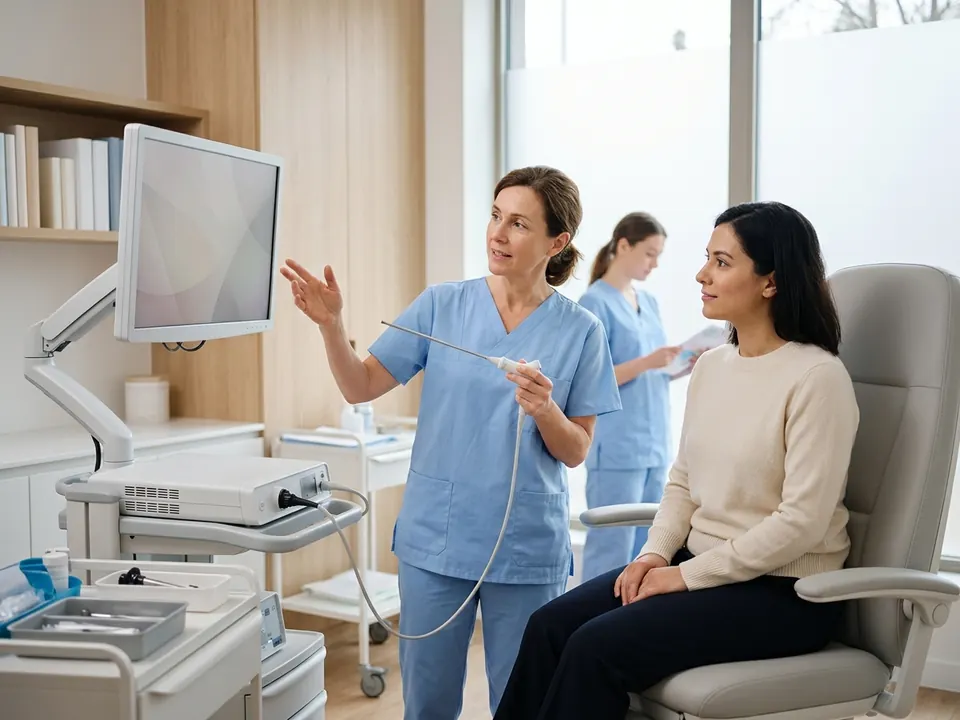
Hysteroscopy is performed using a hysteroscope, which is a thin endoscopic instrument with a light and camera attached to its end.
A speculum is used to open the vagina.
Then the cervix is dilated and the hysteroscope is inserted into the uterus through the cervix.
Gas or fluid may be used to inflate the uterus.
Tiny surgical instruments can be passed through the hysteroscope which helps to surgically remove polyps and fibroids.
Tissue samples may be extracted for examination.
A magnified view of the uterus lining and uterine openings of the fallopian tube is viewed during hysteroscopy.
Patients experience mild cramping during the procedure if local anesthesia is used.
How to Prepare for Hysteroscopy?
The patient needs to go through a thorough physical examination.
The doctor should be informed if the patient is
Pregnant
Taking any medication
Allergic to any medication
Treated for any pelvic, uterine, cervical or vaginal infection 6 weeks prior to hysteroscopy
Suffering from heart or lung ailments
The patient is advised to undergo hysteroscopy when the patient is not menstruating.
The patient should not use tampons, douche or vaginal medicines for 24 hours prior to hysteroscopy.
Arrangements should be made for someone to drive the patient home.
About Hysteroscopy
Key facts to plan your treatment: how long it takes, your hospital stay, anaesthesia, risks and recovery.
Duration of surgery/treatment
Approximately 30 minutes
Days admitted
Hysteroscopy is usually done as an outpatient procedure.
Anesthesia
General anesthesia or local anesthesia, depending on the requirements
Recovery
- The patient is taken to the recovery room and monitored for 1 to 4 hours. - The patient will normally experience mild abdominal pain, light vaginal bleeding and cramping after the procedure. - Pain medication may be prescribed by the doctor.
Risks
Rare complications include: - Infection - Prolonged bleeding - Uterus, bladder or bowel perforation - Over absorption of fluid from the uterus to the bloodstream - Risks of general anesthesia
After care
The patient should inform the doctor if the following symptoms occur: - Severe bleeding - Abnormal discharge - Fever - Severe abdominal pain - Urinating problem - Breathing difficulty - Vomiting
 Private Hospital
 JCIPrice on request
 ISO