Key planning information for glaucoma surgery in Thailand.
$1,500 fromLowest listed price
10–15 minsProcedure time
6 hospitalsList glaucoma surgery
Glaucoma Surgery in Thailand is listed from US$1,500 to US$1,600 at 6 hospitals. The operation takes 10 to 15 minutes. Each hospital quotes its own price for your case.
Prices last updated Mar 2010
Cost of Glaucoma Surgery in Thailand
Table of prices by type of procedure, in US$. Each hospital quotes its own price for your case.
Procedure
Minimum price
Maximum price
Glaucoma Surgery
$1,500
$1,600
Price starting from $1,500 up to $1,600 · last updated Mar 2010.Final prices are quoted by each hospital
Hospitals and clinics offering Glaucoma Surgery in Thailand
Glaucoma Surgery is listed by 6 hospitals in Thailand. The order reshuffles every hour so each gets equal exposure.
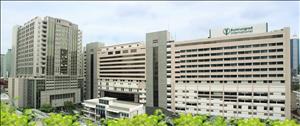
This multi-specialty tertiary hospital offers various medical services as well as dental procedures to local and overseas patients. It serves over 100,000 international patients every year.
DoctorsSSDr. Srisuraj SawangPADr. Pipat AnuchatrakoonView all 20
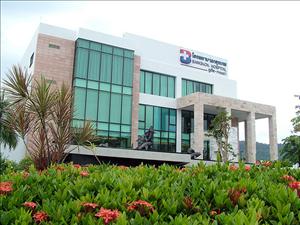
A multi-specialty tertiary hospital located in Phuket. The hospital provides medical services to Thai locals as well as international patients. Aside from medical procedures, it also offers dental services through its Dental Center.
DoctorsKWDr. Khemawan WethayawikoonTTDr. Tulaya TungsiripatView all 8
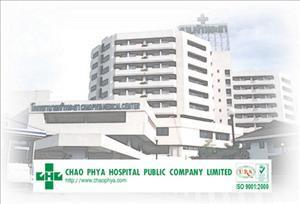
The Chaophya Hospital is a JCI accredited, tertiary private hospital in Bangkok, Thailand, which has been in operation since 1991. It has an international department which offers a comprehensive range of supporting services to foreign patients.
DoctorsYIDr. Yutthaphong ImsuwanSTDr. Suntaree TandhanandView all 21
A JCI accredited hospital with a 225 in-patient bed capacity which offers a wide range of medical services. Services for international patients include aesthetic procedures and cosmetic surgery.
DoctorsAPAssist. Prof. Chanida KanchanalarpJHDr. Juthathip HiriotappaView all 19
What are the types of Glaucoma Surgery?
The most common Glaucoma Surgery procedures are:
Filtration surgery (Trabeculectomy): A “trapdoor” in the eye is cut to drain fluid into a reservoir and then into the blood vessels surrounding the eye.
Laser trabeculoplasty: This glaucoma surgery helps drain fluid from the eye by using a laser to make tiny holes in the drainage system. Types of laser trabeculoplasty include argon laser trabeculoplasty and selective laser trabeculoplasty for the treatment of primary open-angle glaucoma.
Tube-shunt surgery (Seton glaucoma surgery): This procedure uses a silicon tube inside the eye to drain fluid. Tube shunts are used if the glaucoma is not responding to standard procedures.
Laser cyclophotocoagulation (Cycloablation): This procedure is used for end-stage glaucoma because there is a chance of losing vision. Laser cyclophotocoagulation destroys the muscles controlling near and far vision.
Iridotomy or Iridectomy: Laser or conventional surgery is used on an emergency basis for acute closed-angle glaucoma. The surgeon cuts into the iris to make a tiny opening that allows fluid to flow out freely.
What are the chances of success with Glaucoma Surgery?
Glaucoma surgery helps lower the intraocular pressure in the eye but the length of time for which pressure remains low depends on many factors – the surgical technique, the age of the patient, the race of the patient etc. Repeat surgery may be necessary to continue to control the pressure in the eye, or the continued use of medications.
In almost half of people who had a laser trabeculoplasty, eye pressure increases again after five years.
Around half of people who have trabeculectomy filtration surgery still need medication to control glaucoma.
Trabeculectomy filtration surgery is successful in about 70 to 90 percent of cases for at least one year.
About Glaucoma Surgery
Key facts to plan your treatment: how long it takes, your hospital stay, anaesthesia, risks and recovery.
Duration of surgery/treatment
- Trabeculectomy filtration surgery takes about an hour to perform. - Laser trabeculoplasty takes around 10 to 15 minutes.
Days admitted
None. Glaucoma surgery is an outpatient procedure with no overnight stay. Patients commonly need to remain in the doctor’s office for eye pressure monitoring, for up to three hours after surgery.
Anesthesia
Glaucoma surgery is carried out with a local eye drop anesthesia.
Recovery
Usually patients can go back to normal activities and work the day after glaucoma surgery.
Risks
- Scarring and re-closure of the drainage channels in the eye. - Infection and leakage from the blister-like bumps created on the eye. - Risk of developing cataracts. - Loss of vision. - Some people experience increased eye pressure for a short period following laser glaucoma surgery, or reduced eye pressure.
After care
- Take non-aspirin pain relievers to treat any pain or discomfort. - Keep water out of the treated eye for around a week following glaucoma surgery - Avoid heavy lifting, bending or straining after glaucoma surgery until the eye pressure stabilizes. - Take care with contact lenses so as to avoid infection of the eye.
 Private Hospital
 JCI
 Thai HA
 ISO
 Private Hospital
 Private Hospital
 Private Hospital
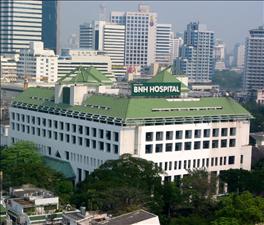 Private Hospital
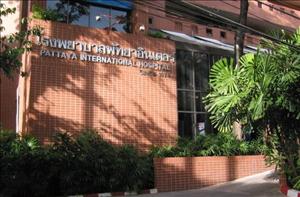 Private Hospital